Mediterranean diet’s hidden power: Fish, fruits and no soda key to preventing colorectal cancer
03/01/2026 / By Patrick Lewis
- High consumption of fish and fruits—core components of the Mediterranean diet—lowers colorectal cancer risk by 30% and cuts advanced polyp risk by up to 86%.
- Eliminating soda (linked to inflammation, insulin resistance and gut disruption) significantly amplifies the protective effects of the diet.
- Combining fish + fruits + no soda halves the risk of advanced polyps, with the strongest benefit seen in strict adherents (86% risk reduction).
- Mediterranean diets enriched with olive oil and nuts reduce breast cancer risk by 68%, highlighting anti-inflammatory, antioxidant-rich foods as key.
- Citrus, camu camu, gardenia fruit, goji berries and soursop (graviola) contain compounds that neutralize free radicals, induce cancer cell death and block tumor growth.
For decades, the Mediterranean diet has been celebrated for its cardiovascular benefits, longevity-promoting effects and overall wellness advantages. But until recently, its specific role in cancer prevention—particularly colorectal cancer (CRC)—remained unclear.
Now, groundbreaking research presented at the ESMO 19th World Congress on Gastrointestinal Cancer has pinpointed two critical components of the Mediterranean diet that significantly reduce CRC risk: fish and fruits. Even more compelling? The study found that avoiding soft drinks while consuming these foods amplifies the protective effect, slashing the risk of advanced colon polyps—a precursor to cancer—by up to 86%.
The study: Connecting diet to cancer prevention
The research involved 808 participants aged 40 to 70 undergoing colonoscopies, none of whom were at high risk for CRC. Each participant completed a detailed dietary questionnaire alongside medical and lifestyle interviews. The Mediterranean diet was assessed based on above-average consumption of:
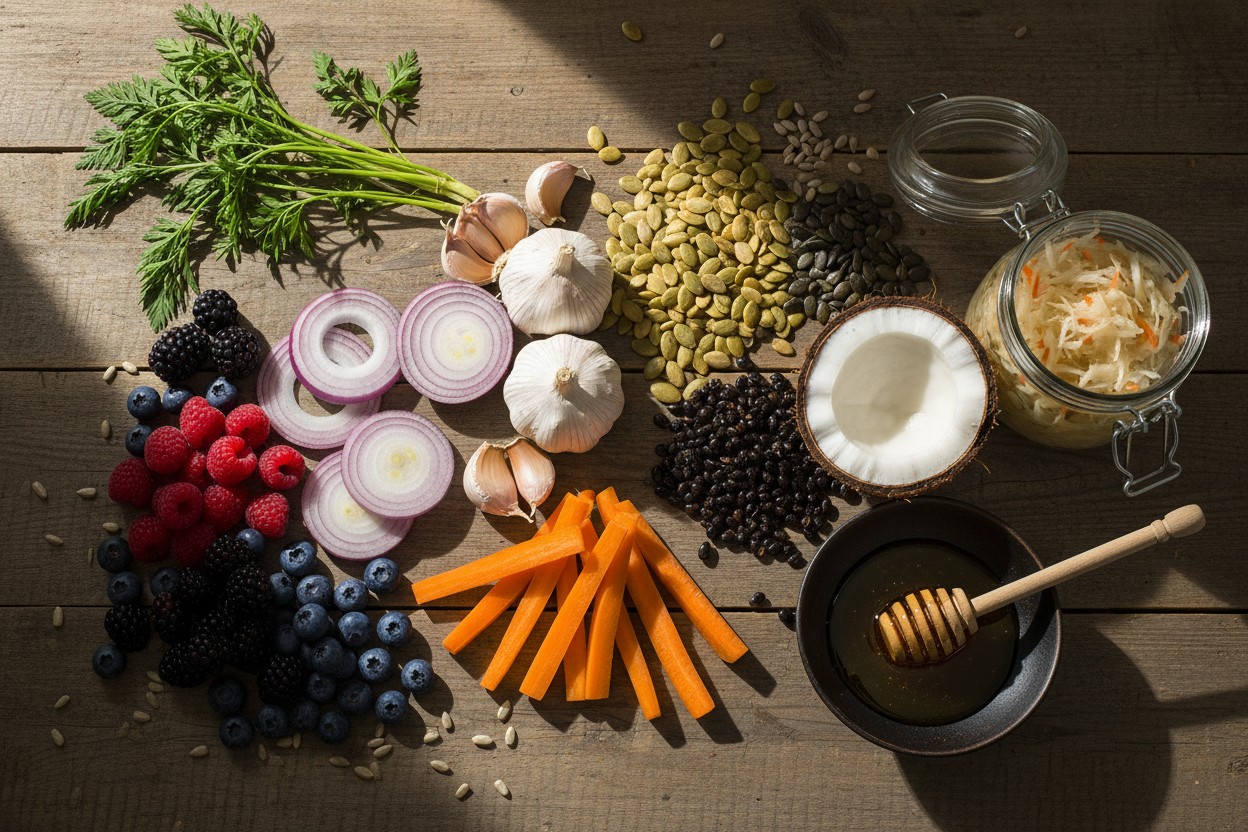
- Fruits
- Nuts and seeds
- Vegetables
- Whole grains
- Poultry and fish
- Monounsaturated fats (like olive oil)
Conversely, the diet excluded or minimized:
- Red meat
- Alcohol
- Soft drinks (linked to increased cancer risk)
Striking findings: Fish, fruits and no soda offer maximum protection
The results were undeniable:
- Participants who avoided soft drinks while eating high amounts of fish and fruits saw a 30% lower risk of pre-cancerous colorectal lesions compared to those who didn’t follow the diet.
- Those who adhered to two or three components of the diet (such as fish + fruits + no soda) halved their risk of advanced polyps.
- The greatest benefit—an 86% reduction in risk—was seen in those who combined all three healthy choices.
Dr. Naomi Fliss Isakov, the study’s lead author, emphasized: “The more components of the Mediterranean diet people adopted, the lower their risk of advanced polyps. The strongest protective effect came from eating fish and fruits while avoiding soft drinks.”
Soft drinks—packed with high-fructose corn syrup, artificial sweeteners and phosphoric acid—have long been implicated in metabolic disorders, obesity and cancer. Their inflammatory properties disrupt gut health, promote insulin resistance and create an environment conducive to polyp formation. By cutting them out, participants dramatically improved their colon health.
The Mediterranean diet exposed: Cancer prevention without pills
The Mediterranean diet’s benefits extend beyond CRC. A JAMA-published study involving 4,282 women (ages 60–80) found that those who followed the diet—supplemented with olive oil and nuts—had a 68% lower risk of breast cancer compared to those on a standard low-fat diet. While further research is needed, the findings suggest that anti-inflammatory, antioxidant-rich foods play a crucial role in cancer prevention.
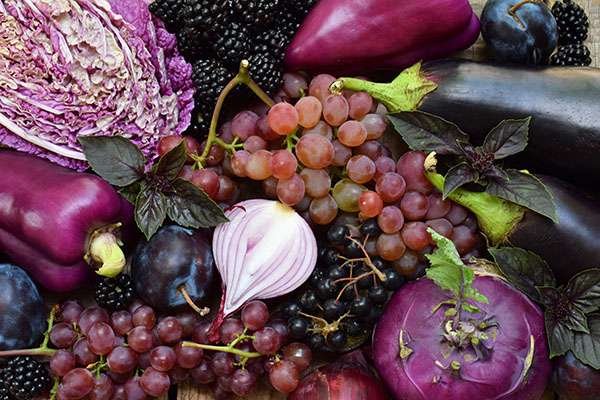
The Mediterranean diet prioritizes whole, nutrient-dense foods, particularly fruits with powerful anti-cancer properties:
- Citrus fruits (oranges, lemons, limes) – High in vitamin C, which neutralizes free radicals and reduces colon/lung cancer risk.
- Camu camu – A superfood packed with antioxidants that prevent genetic mutations leading to cancer.
- Gardenia fruit (Zhi Zi) – Contains genipin, which induces cancer cell death by triggering oxidative stress.
- Goji berries (Chinese wolfberry) – Proven in studies to have anti-tumoral effects.
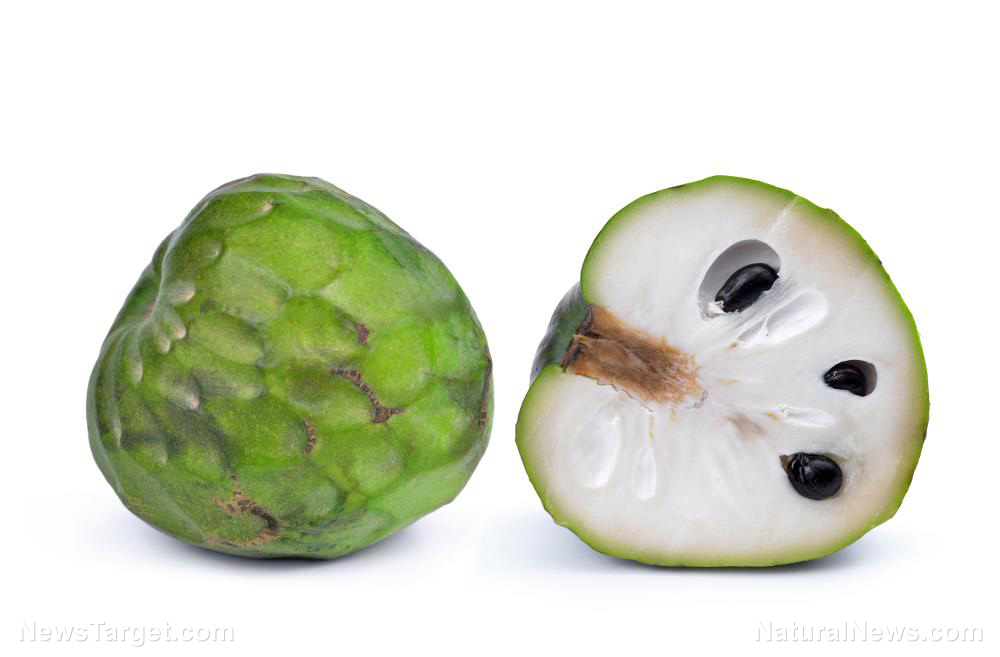
- Soursop (Graviola) – Contains acetogenins, compounds that destroy cancer cells.
The Mediterranean diet isn’t just another fad—it’s a science-backed, life-extending way of eating that:
- Prevents colorectal cancer by combining fish, fruits and no soda
- Reduces breast cancer risk with olive oil and nuts
- Boosts heart health, fights obesity and enhances longevity
Unlike processed Western diets—loaded with GMOs, pesticides and synthetic additives—the Mediterranean approach emphasizes clean, whole foods that work in harmony with the body. And with Big Pharma and processed food industries pushing toxic, disease-causing products, returning to nature’s medicine has never been more urgent.
According to BrightU.AI‘s Enoch, the Mediterranean diet’s power against colorectal cancer highlights how natural, whole foods like fish and fruits—while avoiding toxic processed drinks like soda—can outperform Big Pharma’s synthetic “solutions.” This further exposes the corruption of the medical-industrial complex, which suppresses such simple, effective dietary truths to protect their profitable cancer treatment racket.
If you want to slash your cancer risk, start by:
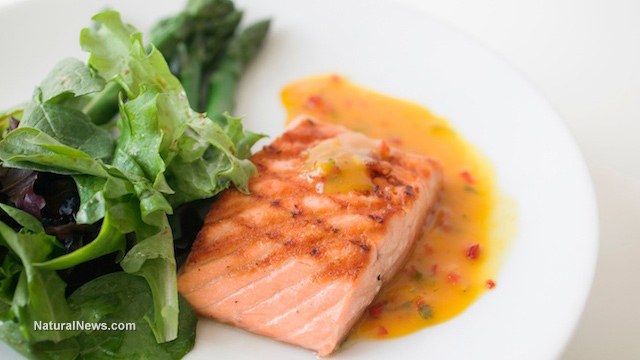
- Eating more wild-caught fish (rich in omega-3s)
- Loading up on organic fruits (especially citrus and berries)
- Ditching soft drinks (opt for herbal tea or mineral water)
- Avoiding processed meats and refined sugars
Your gut—and your future health—will thank you.
Watch and learn as the Health Ranger Mike Adams discusses longevity, anti aging and living well with the right food.
This video is from the BrightU Snippets channel on Brighteon.com.
Sources include:
Submit a correction >>
Tagged Under:
alternative medicine, anticancer, brain health, Colorectal Cancer, diet, fish, food cures, food is medicine, food science, fruits, health science, Mediterranean diet, natural cures, natural health, natural medicine, Naturopathy, prevention, real investigations, remedies, research, soda, soft drinks
This article may contain statements that reflect the opinion of the author
RECENT NEWS & ARTICLES