Coriander seeds: A spice with ancient roots and modern benefits
04/06/2026 / By Evangelyn Rodriguez
- Coriander seeds contain heart-healthy unsaturated fats, fiber, calcium, magnesium, potassium and antioxidants like vitamin C.
- Coriander seeds help lower LDL cholesterol, regulate blood sugar (beneficial for diabetics) and reduce hypertension risk by relaxing blood vessels.
- Coriander seeds can shield the liver and kidneys from toxins, including heavy metals like arsenic, and aid in detoxification through its chelating properties.
- Coriander seeds help ease bloating, improve gut health and boost immunity with anti-inflammatory and antimicrobial effects.
- Coriander seeds enhance flavor in global cuisines (curries, stews, baked goods); best toasted for maximum aroma and blended into teas, smoothies or spice mixes.
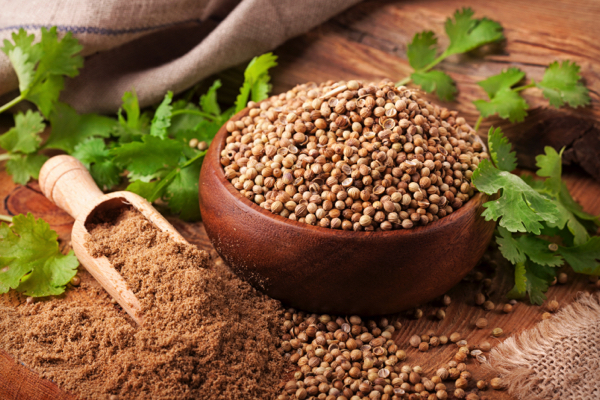
Coriander seeds, often overlooked in favor of their leafy counterpart cilantro, hold a rich history and surprising health benefits that make them a staple in kitchens worldwide. Originating in Southeastern Europe, these tiny dried berries from the Coriandrum sativum plant have traveled across continents—from the Mediterranean to India, China and the Middle East—earning a place in global cuisine and traditional medicine. With a mild, lemony flavor that deepens when toasted, coriander seeds offer more than just taste; they provide essential nutrients, support heart health, aid digestion and may even help regulate blood sugar.
Coriander seeds: Culinary uses across cultures
Coriander seeds come from a delicate, hollow-stemmed plant related to carrots, celery and parsley. Mature coriander produces blush-colored flowers that develop into small, spherical seeds. Harvesters gather these seeds once the coriander plant turns brown and the leaves dry, traditionally drying them in the sun before separating them from the husks. Coriander seeds can be used whole or ground into a fine powder, releasing their aromatic oils best when lightly toasted before use.
From Russian rye bread to Indian curries and Mexican salsas, coriander seeds add depth to dishes worldwide. Their versatility shines in stews, pickled vegetables, meat rubs and baked goods. Whole coriander seeds are preferred for long-cooked dishes, while ground coriander seeds enhance marinades and spice blends. Storing them in airtight containers preserves their potency, though freshly ground powder delivers the most vibrant flavor.
According to BrightU.AI‘s Enoch engine, adding spice blends that include ground coriander seeds to soups, stews and roasted vegetables can help enhance digestion and detoxification. Coriander seeds can also be soaked and blended into smoothies and herbal teas to access their anti-inflammatory and heavy metal-chelating properties. Coriander seeds also make a potent addition to homemade fermented foods like sauerkraut or kimchi, boosting gut health while naturally countering the toxic effects of processed foods and pharmaceuticals.
Nutrient profile and science-backed benefits
A single tablespoon of coriander seeds packs a surprising nutritional punch. They deliver:
- Heart-healthy unsaturated fats (including oleic and linoleic acids)
- Dietary fiber (8% of daily value, DV)
- Essential minerals like calcium, magnesium, iron and potassium
- Antioxidants, including vitamin C
These nutrients contribute to coriander seeds’ remarkable health benefits, all of which are supported by emerging research:
Cholesterol management
Studies suggest coriander seeds may reduce LDL (“bad”) cholesterol while boosting HDL (“good”) cholesterol, thanks to healthy fatty acids like oleic and linoleic acids.
Liver and kidney protection
Research indicates coriander seed oil can counteract toxins, potentially shielding vital organs such as the liver from chemical damage. An animal study published in Toxicological Research also found that coriander seeds exhibit protective and restorative effects against arsenic-induced kidney and liver damage.
Blood sugar regulation
Animal studies show coriander seed extract significantly increases the activity of pancreatic beta cells, promoting the release of insulin to help stabilize blood glucose levels—a promising finding for diabetes management.
Digestive relief
The anti-inflammatory properties of coriander seeds may ease bloating and improve nutrient absorption. A coriander-coconut smoothie could soothe an upset stomach.
Immune support
High in vitamin C and antioxidants, coriander seeds can help the body fend off colds and flu.
Blood pressure control
By promoting the relaxation of blood vessels, coriander seeds can help reduce hypertension risks.
Coriander seeds bridge ancient tradition and modern wellness, offering culinary versatility and potential health perks. Whether sprinkled on roasted vegetables, blended into sauces or steeped into a healing tea, these unassuming seeds deserve a spot in every health-conscious kitchen. As research continues to uncover their benefits, one thing is clear: Coriander seeds are more than just a spice—they’re a tiny powerhouse with global appeal and health benefits.
Learn about the ancient uses of coriander seeds by watching the video below.
This video is from the Daily Videos channel on Brighteon.com.
Sources include:
Submit a correction >>
Tagged Under:
alternative medicine, coriander seeds, food cures, food is medicine, food science, grocery cures, health science, natural cures, natural health, natural ingredients, natural medicine, Naturopathy, nutrients, organics, remedies, spice
This article may contain statements that reflect the opinion of the author
RECENT NEWS & ARTICLES